
Oregon’s Top Winter Wildlife Viewing Spots
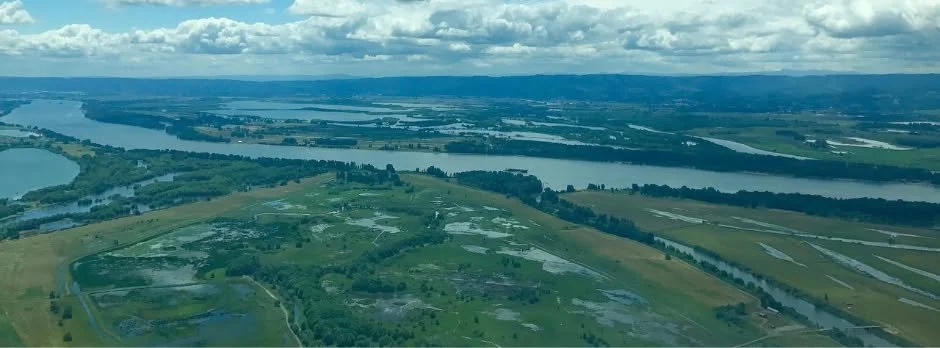
Sauvie Island Wildlife Area (Courtesy of ODFW)
Winter in Oregon and Southwest Washington brings dramatic seasonal shifts in wildlife behavior, from migratory birds gathering in wetlands to elk and deer moving into lowland meadows. Whether you’re a local or planning a winter nature getaway, here are excellent places to explore throughout the state.
CENTRAL OREGON — DESCHUTES RIVER & UPLAND WILDLIFE
Lower Deschutes Wildlife Area
Nestled along the lower Deschutes River east of The Dalles, the Lower Deschutes Wildlife Area offers a unique high-desert wildlife experience, stretching roughly 18 river miles through mixed riparian and upland habitats that support a rich suite of wildlife year-round.
What you might see:
Winter and surrounding seasons bring opportunities to glimpse iconic Oregon species such as mule deer, bighorn sheep, river otters, coyotes, golden eagles, red-tailed hawks, peregrine falcons, and a variety of songbirds and waterfowl, including mallards, common mergansers, and buffleheads.
While spring is prime for wildflowers and sheep lambs, and summer and fall draw anglers for steelhead and trout, fall and winter offer excellent upland bird activity, making it possible for birdwatchers and wildlife lovers to enjoy the quieter beauty of this rugged landscape.
We would be remiss if we didn’t mention the Foundation’s involvement in helping the State of Oregon acquire the properties that constitute the Lower Deschutes Wildlife Area. We were and continue to be proud of our working relationship with the Department of Fish and Wildlife and of the lower Deschutes River acquisitions.
WILLAMETTE VALLEY — WETLANDS & WATERFOWL HOTSPOTS
Sauvie Island Wildlife Area (near Portland)
A local gem for winter birding, Sauvie Island offers abundant waterfowl and migratory birds along its lakes and sloughs. Snow geese, tundra swans, pelicans, and ducks often concentrate here as they rest along the Pacific Flyway.
Tualatin River National Wildlife Refuge (near Sherwood)
Just outside Sherwood, this refuge delivers one of the most dramatic winter waterfowl spectacles in the Willamette Valley. Large flocks of cackling Canada geese, northern pintail, and mallards blanket the refuge as they feed on seeds and wetland plants grown during summer.
The refuge averages around 20,000 waterfowl during mid-winter, and in some peak years, more than 50,000 birds have been observed in a single day.
Fern Ridge Wildlife Area (west of Eugene)
This sprawling wildlife area around Fern Ridge Reservoir hosts over 250 bird species through the seasons. Winter brings large flocks of waterfowl, including ducks, geese, and swans — along with raptors hunting overhead.
William L. Finley National Wildlife Refuge (near Corvallis)
A must-see for goose enthusiasts, this refuge provides protected wintering habitat for dusky Canada geese and other waterfowl amid grasslands and prairie wetlands.
COASTAL & FOREST VIEWING — ELK, BIRDS & MORE
Jewell Meadows Wildlife Area
Near the Coast Range town of Jewell, this area is famous for winter elk viewing, with Roosevelt elk often grazing in open meadows.
Dean Creek Elk Viewing Area
Managed by ODFW and BLM, Dean Creek supports a resident herd of Roosevelt elk year-round, making it a reliable winter destination.
EASTERN OREGON — BIG GAME & RAPTORS
Northeast Oregon Wildlife Areas
Winter brings elk, mule deer, and bighorn sheep down from high elevations into more visible winter ranges. Routes like South Fork Road near Jackass Creek and areas such as Phillip Schneider Wildlife Area are excellent early-morning or late-afternoon viewing spots. Raptors, including golden eagles and bald eagles, often patrol these open landscapes.
MARINE ZONE — COASTLINE WILDLIFE & WHALE MIGRATION
Oregon Coast (Marine Zone)
Winter along the coast offers spectacular wildlife viewing. Migration peaks from late December through early April as gray whales, humpbacks, and orcas travel south. Shorelines, bays, and estuaries are lively with harbor seals, sea lions, shorebirds, and raptors.
OTHER - PORTLAND METRO AREA
Steigerwald Lake National Wildlife Refuge (near Camas, WA)
In winter, Steigerwald Lake National Wildlife Refuge is especially active with birds, as its wetlands and open water attract large numbers of migrating and overwintering species. Visitors are likely to see a variety of ducks and geese (including mallards, bufflehead, goldeneye, and Canada geese), along with grebes, great blue herons, and the occasional great egret along the water’s edge. Raptors such as bald eagles, northern harriers, and red-tailed hawks are common, drawn by open fields and abundant prey. Songbirds are fewer than in summer, but winter sparrows and kingfishers can still be spotted, while mammals like deer and coyotes may appear along trails, especially at dawn or dusk.
Ridgefield National Wildlife Refuge (North of Vancouver, WA)
In winter, Ridgefield National Wildlife Refuge comes alive with waterfowl and other birds taking advantage of its extensive wetlands and grasslands along the Columbia River. It was originally established to protect wintering dusky Canada geese, and in the colder months, you’ll also find large numbers of ducks, tundra and trumpeter swans, and sandhill cranes resting and feeding in flooded marshes. Bald eagles, hawks, shorebirds, and herons are common, and smaller passerines like sparrows, nuthatches, and wrens can be seen among the woods and brush. The mix of resident species and migrants makes winter one of the best times to view a diverse array of wildlife concentrated in the refuge’s open habitats.
TIPS FOR WINTER WILDLIFE VIEWING
• Timing matters — Early mornings and late afternoons often bring the most activity.
• Bring optics — Binoculars or a spotting scope make a huge difference for viewing wildlife at a distance.
• Respect wildlife — Keep a safe distance, stay on trails or designated viewing areas, and minimize disturbance.
• Check ODFW reports — Seasonal conditions and wildlife movements change weekly.
Winter in Oregon and Southwest Washington isn’t just snow and rain; it’s a season full of wildlife drama and diversity. Lace up your boots, pack your binoculars, and explore some of the state’s richest winter wildlife habitats.