
Hibernation and Torpor: How Oregon’s Wildlife Survives Winter
When temperatures drop, food becomes scarce, and winter storms roll across Oregon, many animals turn to two remarkable survival strategies: hibernation and torpor. Though often used interchangeably, these terms describe very different ways in which wildlife ‘power down’ to survive the coldest months of the year.
Hibernation is a long-term, seasonal state when an animal’s body temperature, heart rate, and metabolism drop dramatically. True hibernators spend weeks to months in this energy-saving mode. Despite what we were taught, bears in Oregon don't hibernate.
Bats are our best-known true hibernators, curling up in caves, old mines, or secluded buildings where temperatures stay cold but stable, for months on end. Ground squirrels and marmots also hibernate, relying on stored body fat to sustain them until spring greenery returns.
Torpor is a short-term energy-saving strategy. Lasting from hours to days, torpor allows animals to conserve energy during freezing nights or storms. Many familiar species use torpor, including black bears, which enter ‘extended torpor’; waking occasionally, and maintaining a higher body temperature than true hibernators do.
Hummingbirds, chickadees, and even some small mammals, like opossums, slip into torpor to survive harsh nights when food is scarce, and temperatures plunge. This is why animals eat as much as possible in the fall so they can bulk up for the oncoming winter months.
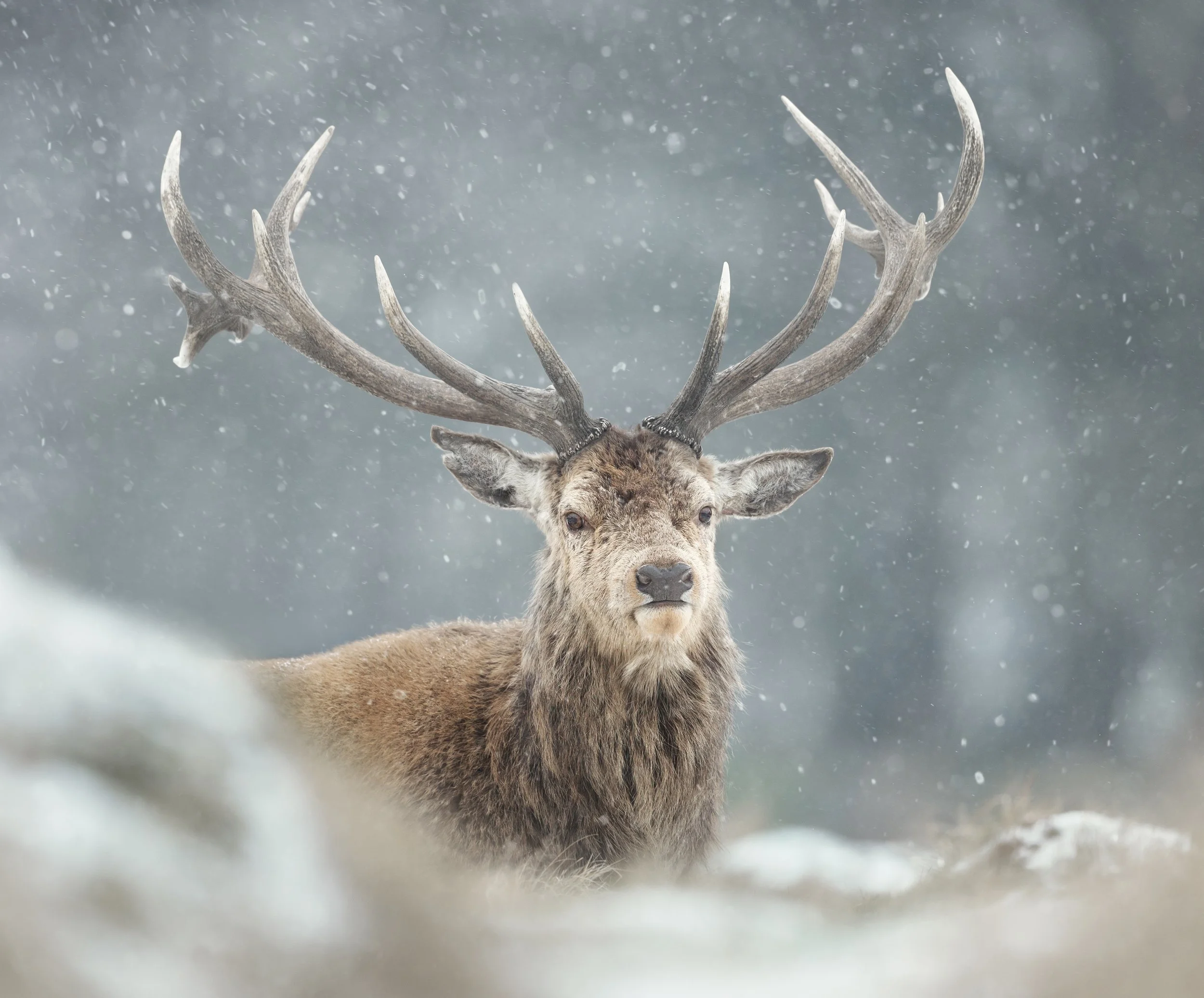
Some animals do not enter hibernation or any state of torpor. Oregon’s deer remain active all winter but manage by adjusting their behavior, diet, and energy use.
Both hibernation and torpor are essential for winter survival, especially as climate patterns shift and seasonal cues become less predictable. By understanding how wildlife adapts, we can better protect the habitat they depend on - from preserving safe roost sites for bats to maintaining food-rich environments for birds powering through the cold.
Winter might feel quiet to us, but for Oregon’s wildlife, it’s a season of hidden resilience.