
Best Places to See Wildlife in Oregon This Fall
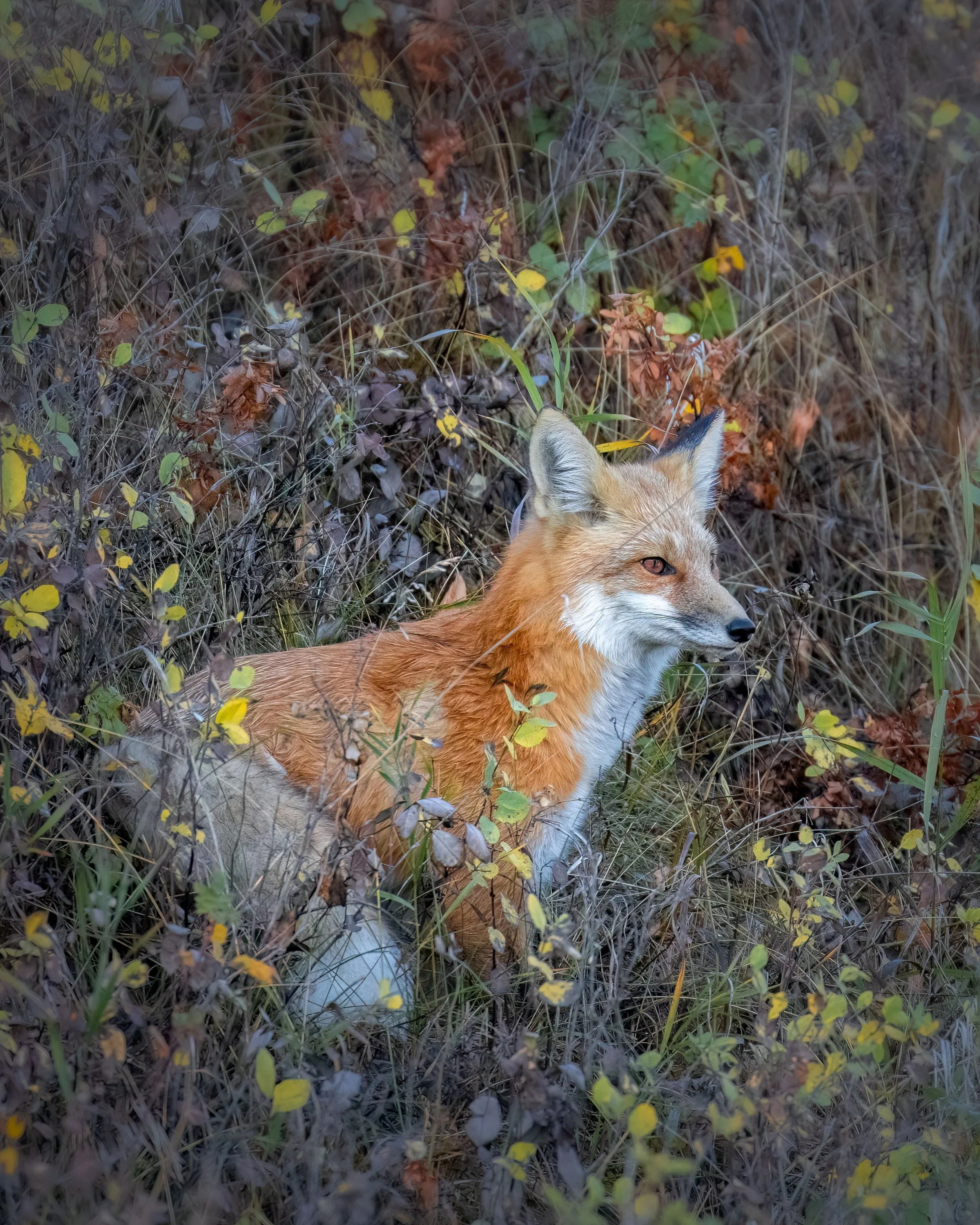
Fall brings a different kind of energy to Oregon’s wild places. Elk bugle across open meadows, migrating birds pause at wetlands and estuaries, and cooler days invite a slower look at the forests, rivers, and high desert. Whether you have an afternoon or a long weekend, these destinations offer a chance to see the season in motion.
Wildlife sightings are never guaranteed. Bring binoculars, leave no trace, give animals plenty of space, and check current conditions and access rules before you go.
We’ve flagged locations that charge a day-use or parking fee. Here’s a handy set of links to purchase, where available, your permit(s) ahead of time:
ODFW Wildlife Area Parking Permits
You can buy it online here, or at any ODFW office that sells licenses or from a license sales agent. A daily permit is $10 and an annual permit is $30.
Oregon State Park Parking/Day-Use Permits
You can buy a one-day or annual day-use parking permit here
A daily permit is $10/$12 (resident/nonresident) or annual for $60/$75
National Forest Day-Use Area Permits
Most locations charge a day use/parking fee between $5 and $10.
Purchase and print a day-use parking ePass for $5 here.
If you plan multiple day-use area visits over the next year, buy a NW Forest Pass for $30, and you’re covered at sites operated by the Forest Service in Oregon and Washington.
Oregon Pacific Coast Passport
This multi-agency day-use passport covers entry or day-use fees at dozens of federal fee sites (Forest Service, National Park Service, and Bureau of Land Management) along Highway 101 and the Siuslaw National Forest. Go here to learn more!
Coast Range
From coastal estuaries to elk meadows, the Coast Range offers plenty to watch as summer turns to fall.
Best viewing opportunities
Yaquina Head Outstanding Natural Area and Yaquina Bay (fee)
Cape Arago and Simpson Reef
Tillamook Bay estuary areas
Jewell Meadows Wildlife Area (fee)
Dean Creek Elk Viewing Area (fee)
What you’re most likely to see
Shorebirds and migrating ducks in bays and estuaries
Herons, egrets, and bald eagles
Harbor seals and sea lions
Roosevelt elk in open meadows
At Jewell Meadows, September and early October bring the elk rut. Listen for bulls bugling in the evening and look for herds from public viewing areas along Highway 202 and Beneke Creek Road. Dean Creek offers another opportunity to watch elk from established observation points. Refuge areas and some roads have seasonal restrictions, and you will need a wildlife area parking permit.
Willamette Valley
Wetlands across the valley become resting and feeding places for birds moving through Oregon.
Best viewing opportunities
Sauvie Island Wildlife Area (fee)
Fern Ridge Wildlife Area (fee)
Ankeny National Wildlife Refuge
Baskett Slough National Wildlife Refuge
Tualatin River National Wildlife Refuge
What you’re most likely to see
Migrating sandpipers, yellowlegs, and other shorebirds
Arriving ducks, including northern pintails and green-winged teal
Bald eagles, hawks, and other raptors
Deer and, with patience, beaver or river otter
ODFW reports fall migration underway at Sauvie Island and recommends its viewing areas for shorebirds and early arriving ducks. At Fern Ridge, viewing platforms offer a place to scan for waterfowl and wading birds. Some Sauvie Island units close seasonally beginning October 1, while designated viewing spots remain open; both wildlife areas require parking permits. Check refuge hours and seasonal access before visiting the other valley destinations.
West Cascades
Cooler weather and changing leaves make a forest walk especially rewarding, even when wildlife stays out of sight.
Best viewing opportunities
Silver Falls State Park (fee)
McKenzie River corridor
Mount Hood National Forest foothills (trailhead fee)
Santiam Pass area, where access and weather allow (trailhead fee)
What you’re most likely to see
Deer and elk in suitable forest openings
Woodpeckers and other resident forest birds
Tracks in damp soil after autumn rain
Signs of wildlife activity along streams and trails
Take your time on forest trails and look for tracks as the ground gets wetter. ODFW notes that fall mud can reveal animal movements that are otherwise difficult to spot. Conditions change quickly at higher elevations, so check trail access and weather before heading into the mountains.
East Cascades
Rivers, reservoirs, and open country east of the Cascades offer a mix of migrating birds and larger mammals.
Best viewing opportunities
Sunriver and the Deschutes River corridor (fee)
Prineville Reservoir Wildlife Area (fee)
Crooked River corridor
Ochoco National Forest and Crooked River National Grassland, where open (fee)
What you’re most likely to see
Ducks and other waterfowl on lakes and reservoirs
Herons, kingfishers, and raptors along the Crooked River
Deer, coyotes, beaver, and otter around Prineville Reservoir
Elk during their early fall breeding season
ODFW highlights the Deschutes River corridor for migrating birds and notes that elk bugling has begun in central Oregon. Deer generally start moving from higher summer ranges later in the fall. Check wildfire closures before traveling; some public lands in the region have restricted access.
Blue Mountains
Northeast Oregon’s valleys, wetlands, and rocky canyons reward patient wildlife watchers.
Best viewing opportunities
Ladd Marsh Wildlife Area (fee)
Wallowa Valley
Burnt River Canyon
Snake River Road near Richland
What you’re most likely to see
Ducks and other waterfowl near Ladd Marsh
Deer and elk in valley landscapes
Bighorn sheep in Burnt River Canyon and along Snake River Road
Bald and golden eagles along the Snake River
Bring a spotting scope if you have one: bighorn sheep are often easiest to find on distant slopes in the morning or evening. Ladd Marsh has seasonal entry rules and requires both a free daily access permit and a parking permit.
Columbia Plateau
Fall is a good time to scan the Columbia Plateau’s wetlands, river edges, and open fields for birds.
Best viewing opportunities
Umatilla National Wildlife Refuge
Cold Springs National Wildlife Refuge
Columbia River corridor
Coyote Springs and Irrigon Wildlife Areas (fee)
What you’re most likely to see
Ducks, geese, and other waterbirds
Egrets and pelicans in wetland habitat
Hawks and other raptors over open country
Mule deer along suitable riparian edges
ODFW reports frequent sightings of ducks, pelicans, and egrets at Coyote Springs and Irrigon, where the pothole ponds offer places to pause and watch. Check each refuge or wildlife area’s current access rules before your visit.
Klamath Mountains / Southwest Oregon
The Rogue and Umpqua country offers autumn color, river habitat, and wildlife viewing across a range of elevations.
Best viewing opportunities
Rogue River corridor
Rogue Gorge and Natural Bridge area
Siskiyou Mountain foothills
North Bank Habitat Management Area near Roseburg
What you’re most likely to see
Columbian white-tailed deer around the Umpqua Valley
Raptors and other birds along rivers and open fields
Animal tracks on muddy trails after rain
Deer and other mammals at a distance in forest openings
For a distinctive local species, watch for Columbian white-tailed deer at North Bank Habitat Management Area. Stay on public routes and observe animals from afar, including deer seen on neighboring private farmland.
Northern Basin and Range / Southeast Oregon
In the high desert, wetlands and remaining water sources become especially important as fall progresses.
Best viewing opportunities
Malheur National Wildlife Refuge
Hart Mountain National Antelope Refuge
Summer Lake Wildlife Area (fee)
What you’re most likely to see
Waterfowl and wading birds at wetlands
Hawks, falcons, and eagles across open country
Pronghorn and deer where habitat and conditions allow
Songbirds in willow-lined and other riparian areas
ODFW recommends Malheur for songbirds, waterfowl, and raptors and identifies Summer Lake as a strong waterfowl viewing destination. Drought can change where birds gather. Watch from a distance and avoid camping near desert waterholes that wildlife depends on.
Nearshore / Marine Zone
Autumn migration makes the shoreline a lively place to watch birds, while Oregon’s marine mammals can be seen throughout the season.
Best viewing opportunities
Depoe Bay
Cape Perpetua (fee)
Cannon Beach shoreline and tidepools
Cape Arago and Simpson Reef (fee)
What you’re most likely to see
Migrating shorebirds on beaches and in bays
Ducks and other waterfowl gathering in estuaries
Harbor seals and sea lions resting offshore or on sandbars
Resident gray whales on calm days
Tidepool life during safe, suitable low tides
Look for shorebirds feeding near the water’s edge as the tide falls. Gray whales may be visible offshore in fall, though the main migration peak comes later, from late December into spring. Bring binoculars, keep a safe distance from marine mammals, and check tides and surf conditions before visiting rocky shores.
Tips for Fall Wildlife Viewing
Bring binoculars and let wildlife keep its distance. Never feed or approach animals.
Visit early or late in the day when viewing may be better, and allow extra time for changing weather.
Stay on designated roads, trails, and viewing areas. Respect seasonal closures and hunting activity.
Check parking permits, refuge hours, fire restrictions, road conditions, tides, and surf before leaving home.
Drive carefully at dawn and dusk, when animals may be near roads.
Every fall outing offers something different: a distant elk call, a flock arriving over a wetland, or tracks that tell you who passed by before you. For up-to-date sightings and access information, consult the ODFW Wildlife Viewing Reports as you plan your trip.